Editorial & publishing
High-resolution still images for newspapers, magazines, books, essays, cultural features and online editorial.
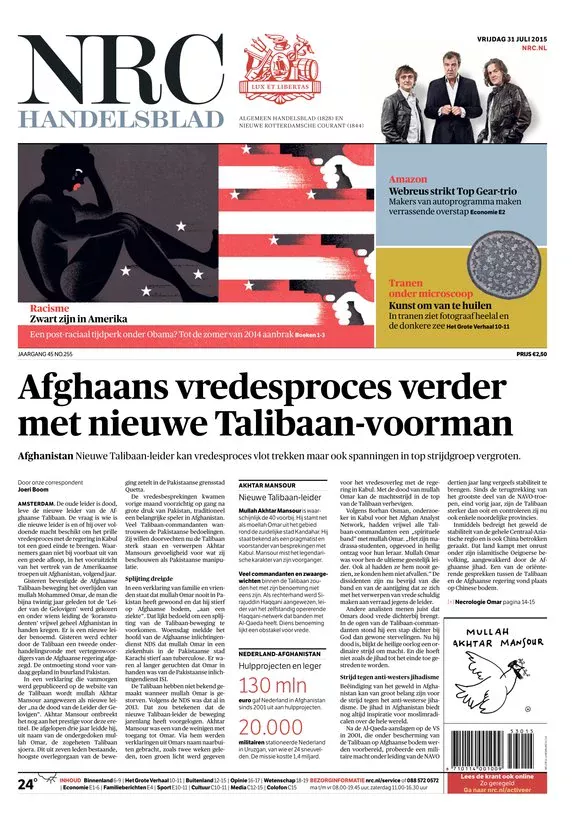
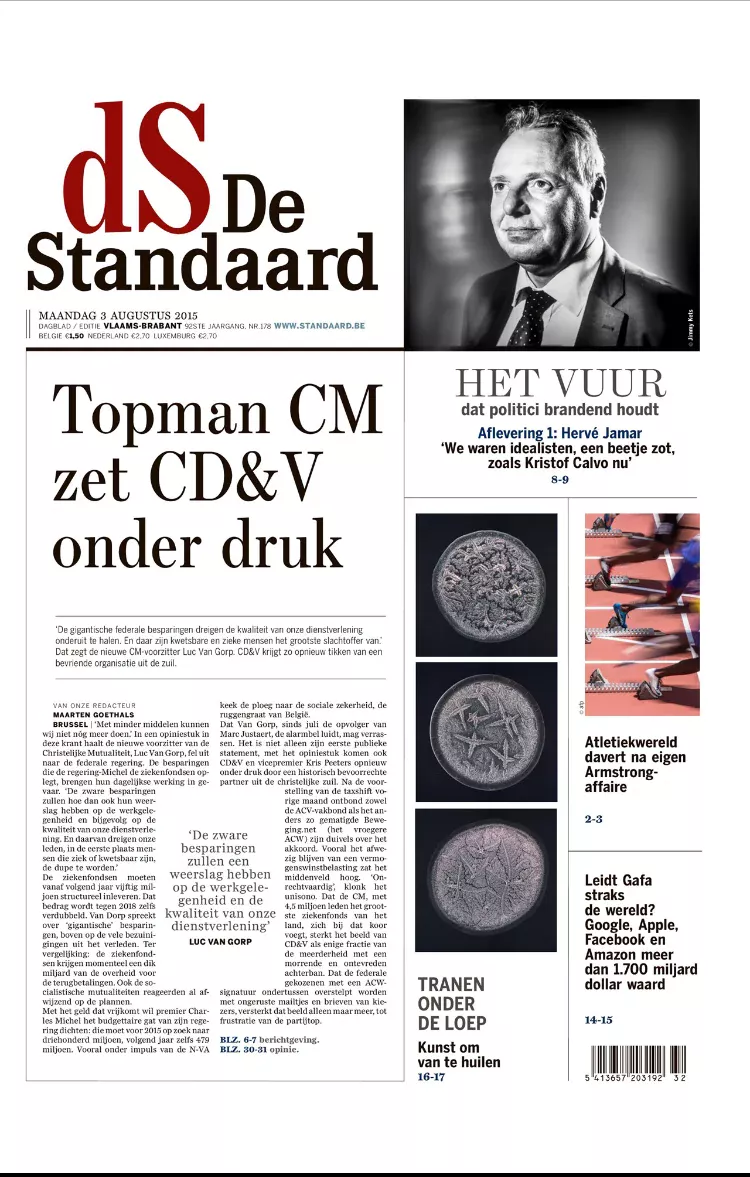
High-resolution tear artworks, archive imagery and selected footage can be licensed for editorial features, documentaries, publications, broadcasts and digital media.
The work has already appeared across newspapers, magazines, television, online media and public storytelling formats. Existing material is licensed according to intended use, medium, territory, duration, placement and promotional rights.
If the archive does not fit the brief, new microscopy, footage or artwork can be developed separately as a commissioned collaboration.
High-resolution still images for newspapers, magazines, books, essays, cultural features and online editorial.
Selected footage, microscope process imagery and still material for television, documentary and cultural programming.
Images and visual assets for web features, digital publishing, online articles and specifically agreed promotional extensions.
Publication reprints, educational use, exhibition-related publishing, publicity, trailers and other specifically scoped rights.
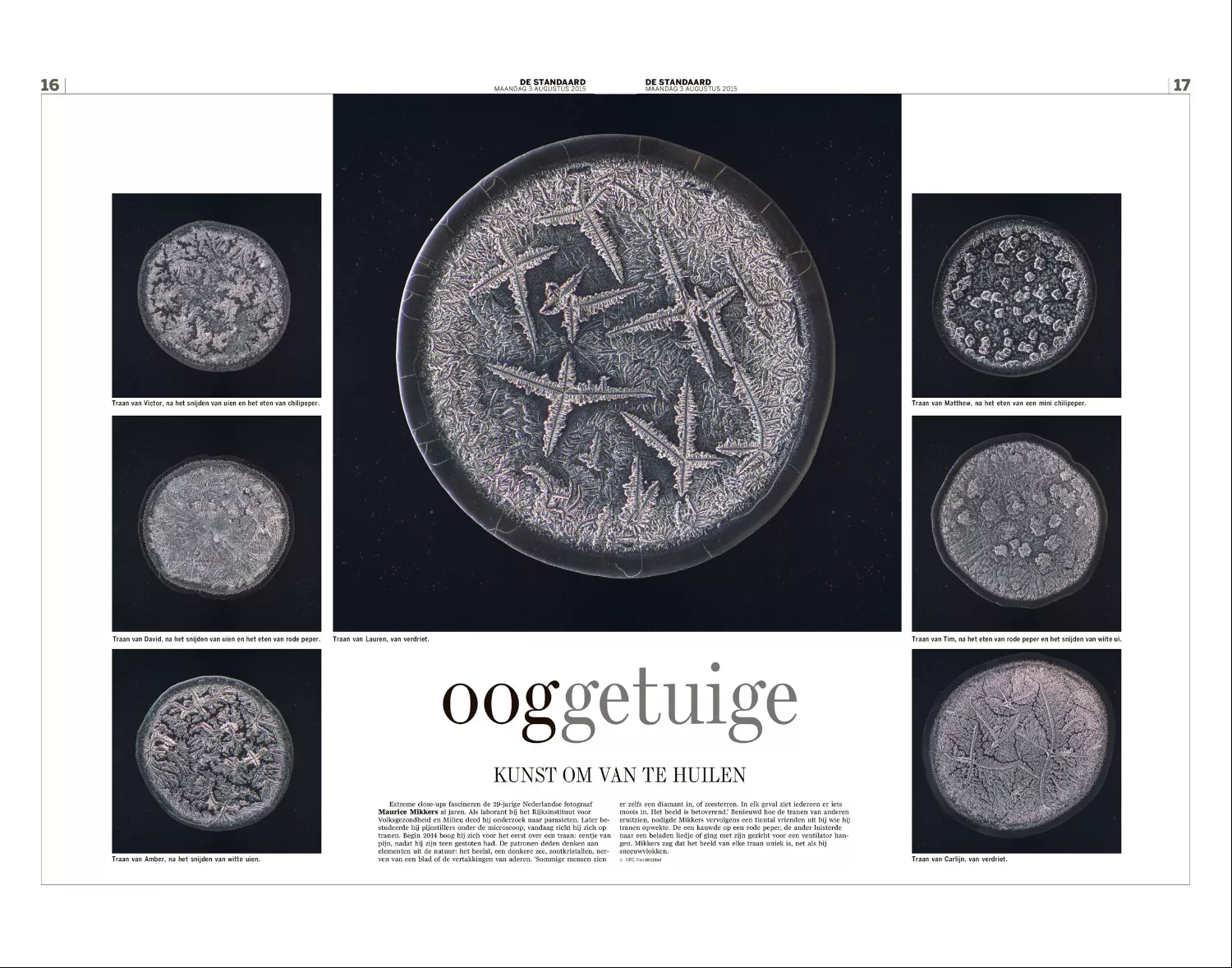
From full newspaper spreads and cultural sections to covers and smaller editorial placements, microscopic tear imagery has repeatedly proved strong enough to carry both a page and a story.
These examples are shown as proof of format and visual impact. Any new use is licensed according to the specific publication, placement and rights requested.
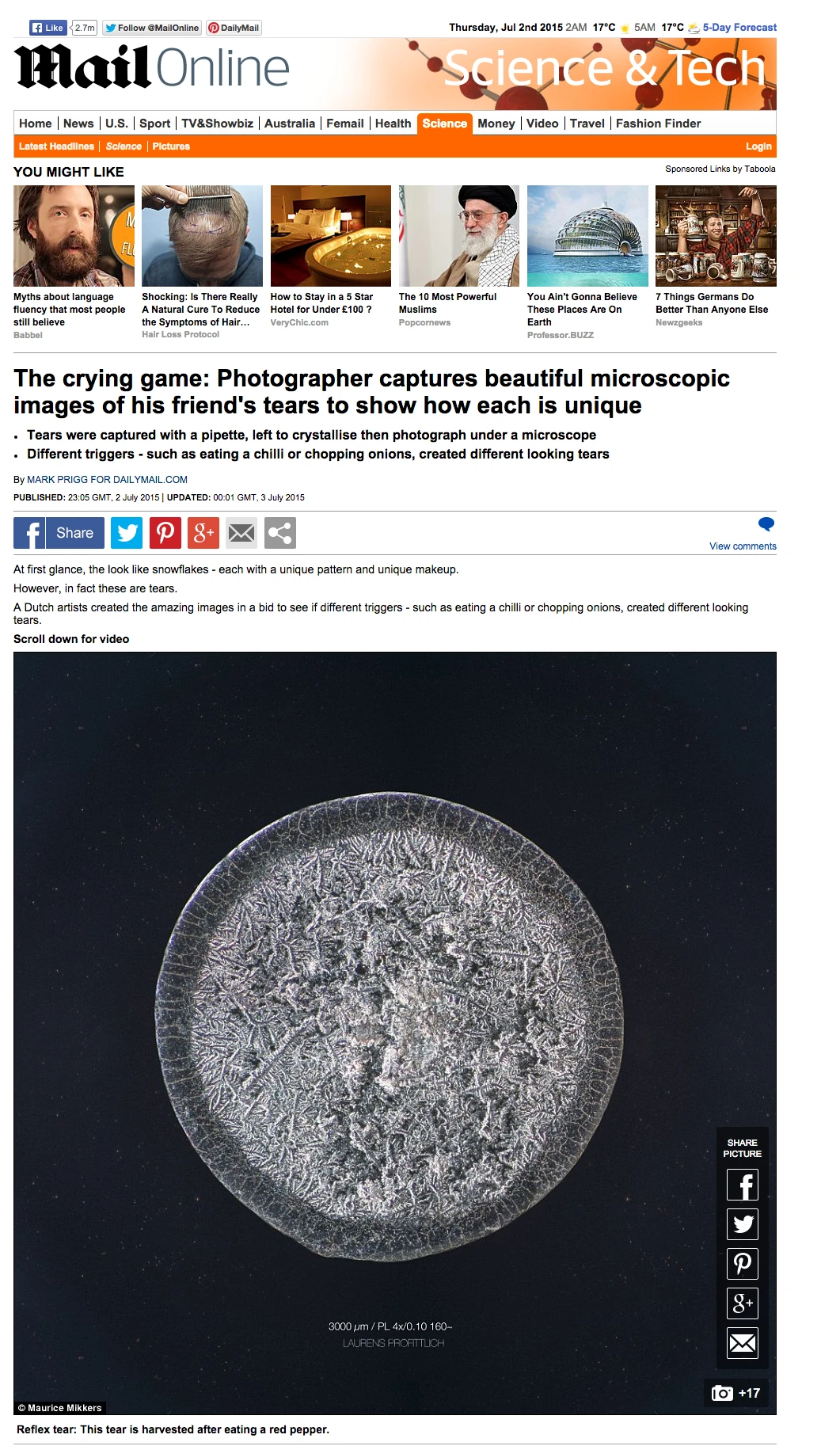
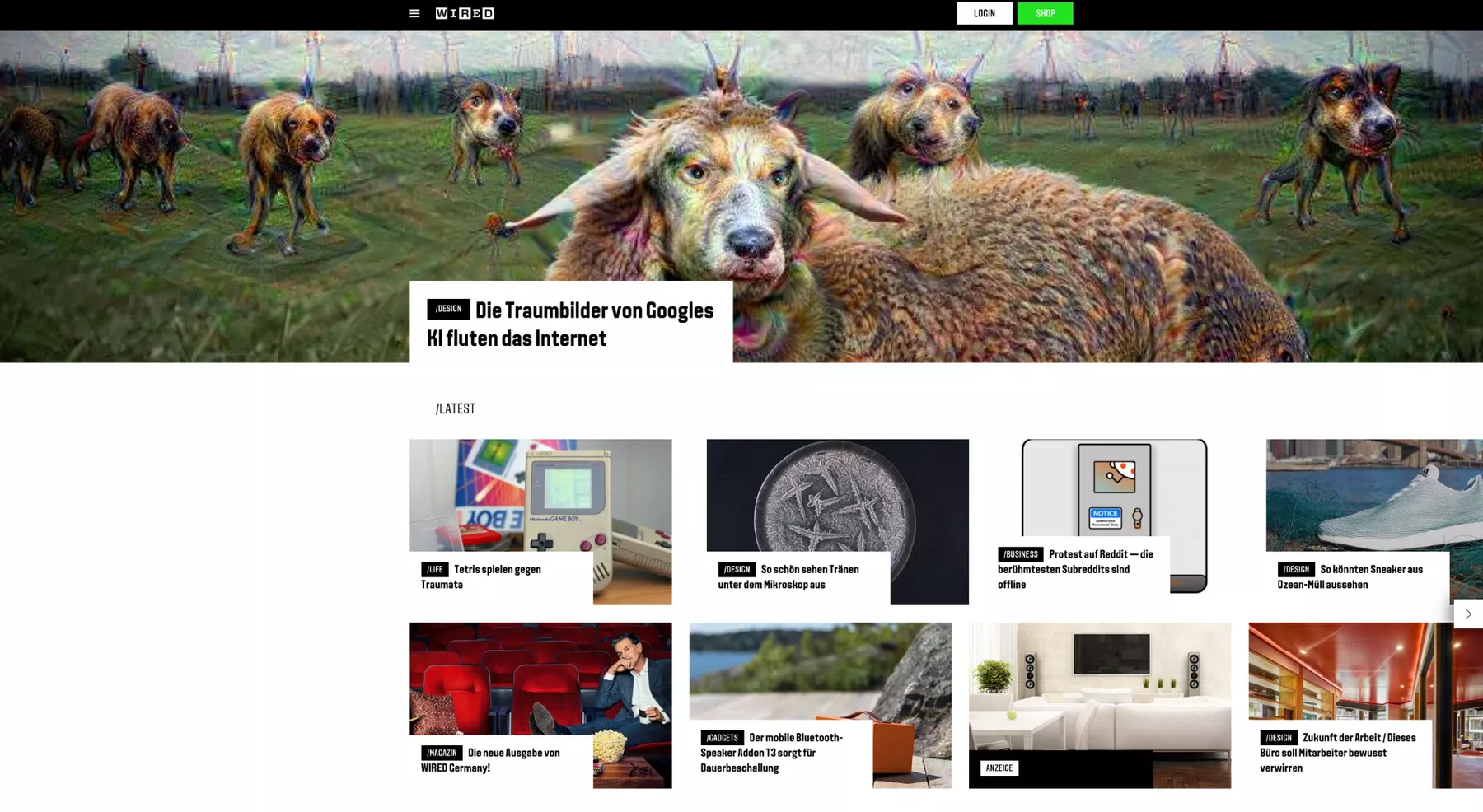
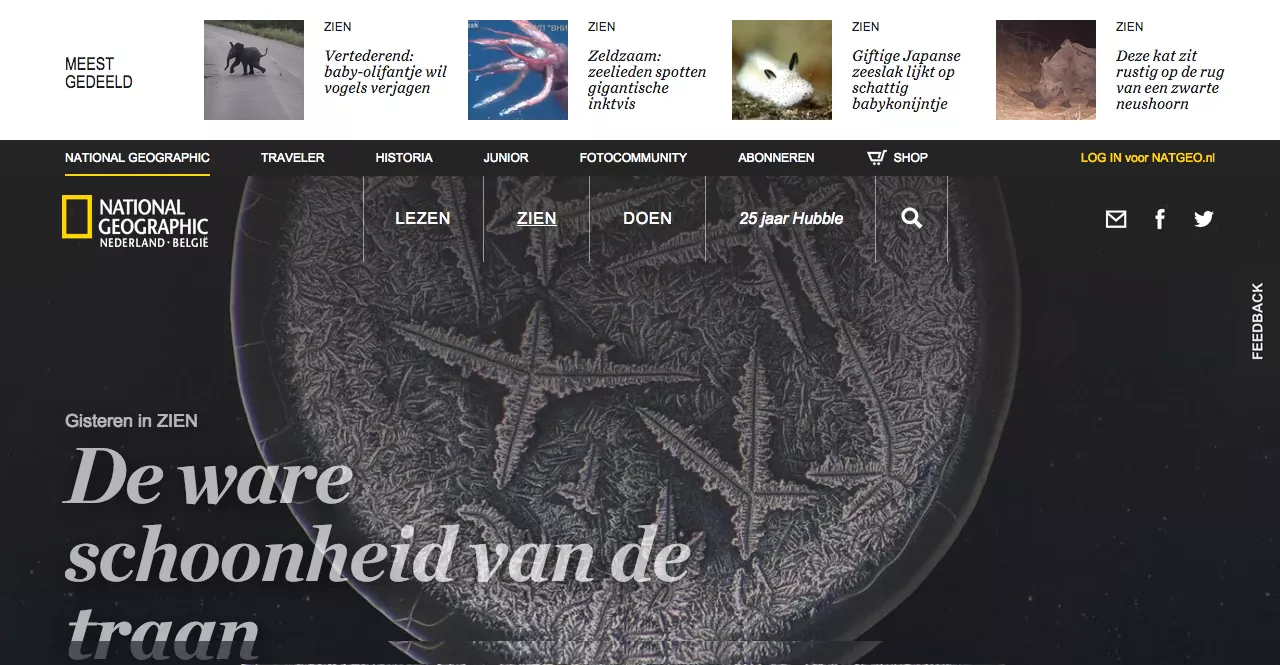
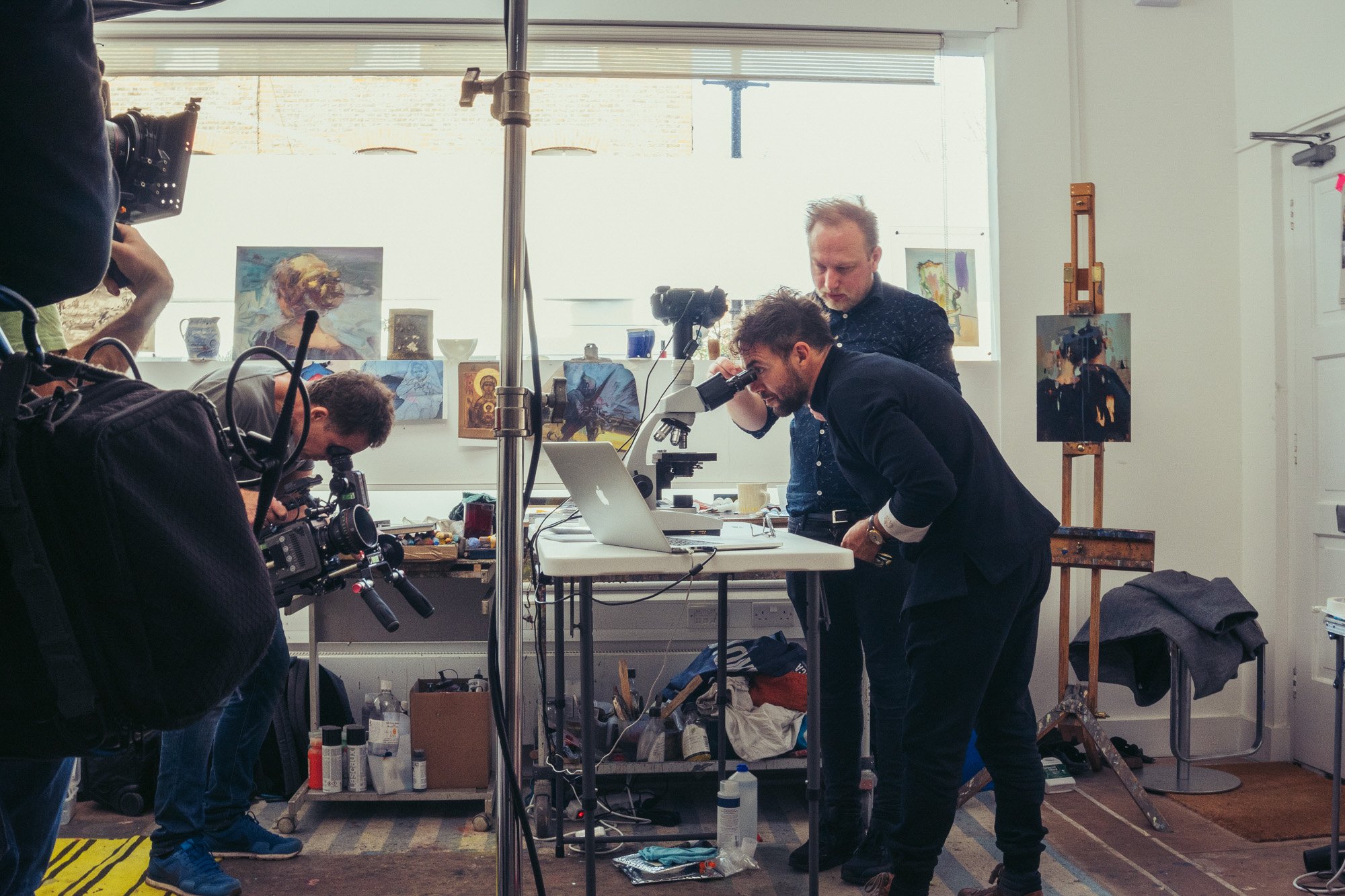
Broadcast use often combines finished tear imagery with process, context, interviews and moving-image material.
Imaginarium of Tears and the microscopy process have appeared in television contexts including Het Klokhuis: Huilen and Christian Hook’s Sky Arts documentary Painting the Invisible. Existing footage can be licensed where available; new filming or microscope sequences are scoped separately.
A licensing request does not need to be limited to a single hero image. Depending on the context, a publication may use a series, details, process material or supporting images around a main artwork. The exact selection and rights are agreed before delivery.
Identify the image, series, footage or archive material you want to use.
Describe the publication, documentary, broadcast, digital platform or other context in which it will appear.
Specify placement, territory, duration, distribution, promotional use, deadline and any derivative layouts or trailers.
The agreed rights are quoted and approved high-resolution files or footage are then supplied for that use.
Best when the archive already contains the right photograph or footage for your article, documentary, publication, programme or other media use.
Request licensing →Best when the brief requires new microscopy, new filming, a specific visual narrative, bespoke artwork or a project developed around a particular audience or theme.
Explore collaborations →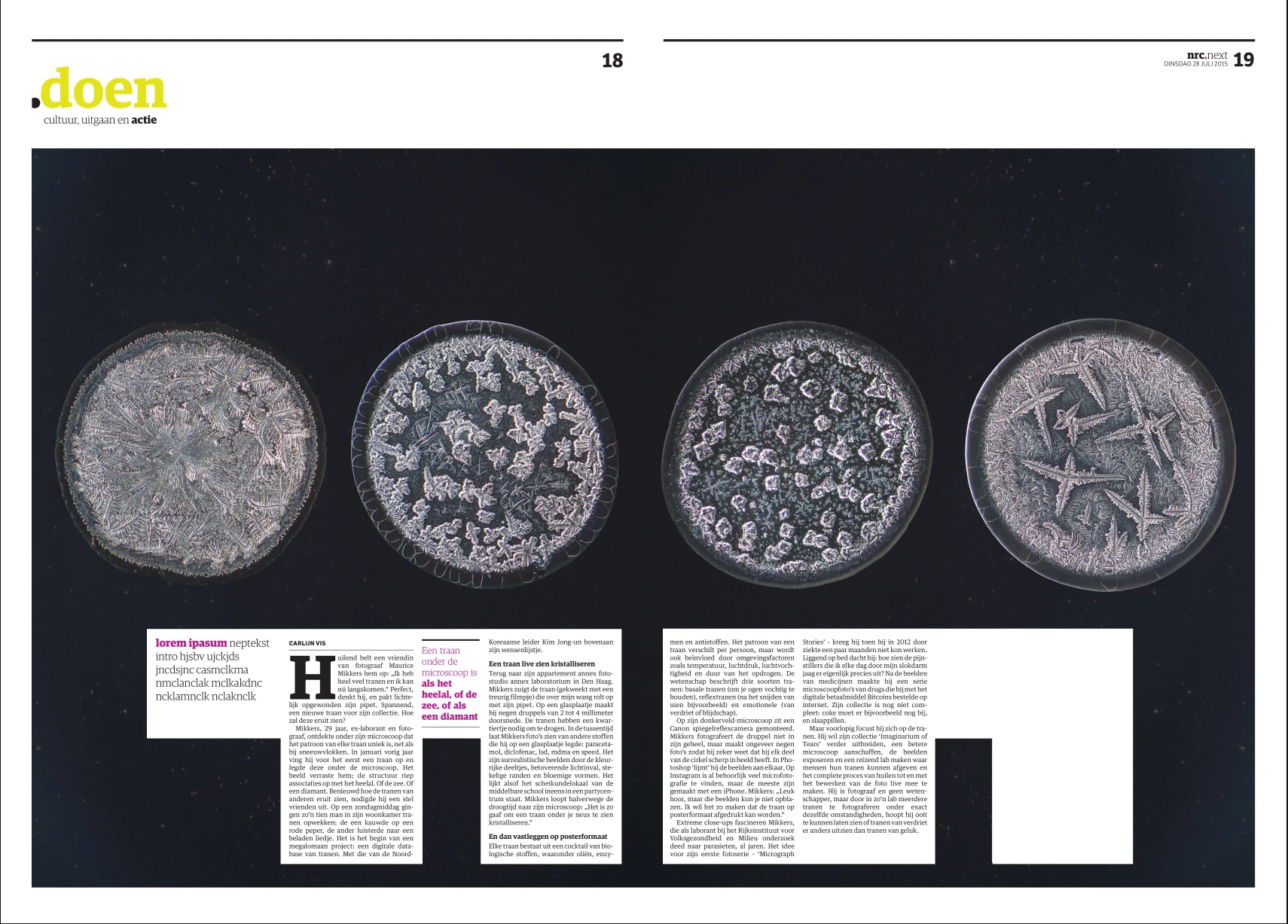
The press archive keeps the broader record of publications, broadcasts, interviews and platforms that have featured Imaginarium of Tears and the work around it.
Explore the complete press archive →A useful first message includes the publication or production name, the specific material requested, intended medium, placement, territory, duration, promotional rights, deadline and an available licensing budget or range where possible.